
Leading Through Pain: One Chief’s Experience Navigating Injury, Surgery, and Recovery
“You need surgery, or you risk permanent damage.”
That was the moment everything changed for me.
The Slow Onset of a Serious Problem
A couple of years ago, I began experiencing what many of us might dismiss as minor discomfort, reduced flexibility, and occasional pain radiating down my legs. Initially, I attributed it to everyday aches and pains associated with aging. It wasn’t until something as routine as tying my shoes became difficult that I recognized this wasn’t something to ignore.
What followed was a year’s-long journey that will sound familiar to many: multiple physicians, different diagnoses, rounds of physical therapy, and only temporary relief. Meanwhile, the symptoms progressed from discomfort to persistent, radiating pain affecting daily function.
Without surgical intervention, I risked permanent nerve damage, permanent numbness, and even permanent loss of mobility.
Diagnosis and a Life-Altering Recommendation
An MRI finally provided clarity: A 9mm L4-L5 disc bulge and severe spinal stenosis.
Within hours, I was referred to a neurosurgeon. His assessment was direct and sobering: without surgical intervention, I risked permanent nerve damage, permanent numbness, and even permanent loss of mobility.
His recommendation: a Transforaminal Lumbar Interbody Fusion (TLIF), a major procedure, fusing my back, with a long recovery timeline and potential long-term implications, including the possibility of future surgeries.
For anyone, especially in a leadership role, this prospect raised immediate concerns: Can I continue to serve? What does this mean for my career?
The Power of a Second Opinion
At the recommendation of a trusted colleague, I sought a second opinion from a neurosurgeon who treats professional athletes. Despite insurance limitations, I decided to pay for the consultation out of pocket. That decision proved pivotal.
After reviewing my case, he advised against the TLIF. Instead, he recommended a Lumbar Microdiscectomy, a far less invasive procedure with a high success rate, significantly shorter recovery time, and lower long-term risk.
Same diagnosis. Two very different paths.
Navigating the System: Control vs. Constraints
Like many, I encountered systemic health care barriers:
- HMO restrictions limiting specialist access
- Denial of out-of-network care, even on appeal
- A workers’ compensation system that would delay care and limit provider choice
I faced a difficult decision:
- Accept a more invasive procedure with a longer recovery
- Enter the workers’ comp system and sacrifice control over my care
- Or delay treatment, switch insurance, and pursue the best surgeon available, but risk more serious (and possibly permanent) injury.
After careful consideration, and in consultation with my surgeon, I chose to wait so that I could switch to a PPO plan to get the best care available.
Surgery and Recovery: A Different Outcome
I underwent a Lumbar Microdiscectomy, performed by the out-of-network neurosurgeon who provided me with the second opinion. The day before the surgery, I was nervous. When I received the phone call from the neurosurgeon's office with the final instructions, the reality of the surgery and recovery set in. The day of the surgery, I arrived at the hospital at 6:30 AM and checked in for pre-op. The next hour and a half flew by, and I didn’t have time to think; although it was a little surreal knowing that I was actually going to have surgery after all this time. They rolled me into the operating room at 8:00 AM, and I was out of surgery and in recovery in less than two hours. I was walking within hours and discharged from the hospital that afternoon. The results were immediate and significant. My symptoms were gone!
For an injury that could have sidelined me for months, (or longer) or even ended my career, the outcome was remarkable.
Recovery was not without pain or fatigue, but it was manageable and progressive. The first week was the most difficult. Being a leader who takes care of others, it was an adjustment having others take care of me. Within 10 days, I turned a corner. Within one month, I returned to work on light duty. Within six weeks, I started physical therapy and was soon exceeding everyone’s expectations. 10 weeks after my surgery, my neurosurgeon cleared me to return to full duty. In another month, I can resume long-distance running, and later this summer, I can once again hit the trails with my mountain bike; two activities I thought I might never be able to do again. For an injury that could have sidelined me for months, (or longer) or even ended my career, the outcome was remarkable.
Key Takeaways for Police Executives
This experience reinforced several important lessons, particularly for those in leadership roles who often prioritize mission over personal health:
- Do Not Ignore Early Warning Signs
What starts as minor discomfort can signal a serious underlying condition. Early intervention matters. - Advocate for Your Own Health
You are your own best advocate. Ask questions, push for answers, and do not settle for uncertainty. - Always Seek a Second Opinion
Different surgeons can recommend vastly different treatments. A second opinion can change everything. - Understand Your Insurance Options
Coverage structures (HMO vs. PPO vs. Workers Comp) can directly impact the quality and timeliness of your care. - Maintain Physical Fitness, Especially Core Strength
Your physical condition going into surgery significantly influences your recovery. Fitness is not optional in our profession! - Be Strategic and Patient When Necessary
In some cases, the best decision is not the fastest one. Taking time to access the right care can lead to better long-term outcomes. - Lean on Trusted Networks
Professional relationships matter. A recommendation from a trusted colleague led me to the right surgeon and ultimately the right outcome.
Final Thoughts
Serious injury, even one involving the spine, is not necessarily a career-ending event. With the right information, the right care, and a disciplined approach to recovery, it is entirely possible to return to full function and continue to lead effectively.
As police executives, we are accustomed to solving complex problems, managing risk, and making critical decisions under pressure. This experience reminded me that those same principles must be applied to our personal health.
Your ability to lead depends on your ability to function physically, mentally, and emotionally. Take care of yourself with the same commitment you bring to serving your community. Your body will thank you.
About the Author:
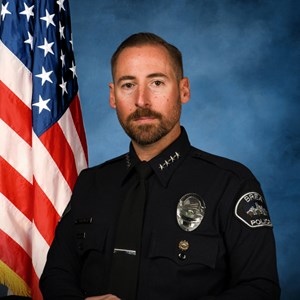 Chief Adam Hawley began his law enforcement career with the Brea Police Department in 1995. Before being sworn in as a Police Officer, he served as a Brea Police Cadet. During his career, Chief Hawley worked numerous assignments, including Patrol, Field Training, Detective, Patrol Sergeant, Detective Sergeant, Patrol Lieutenant, Professional Standards Lieutenant, and Captain. Chief Hawley served as Acting Chief of Police before being appointed the 14th Chief of the Brea Police Department on May 1, 2021.
Off duty, Chief Hawley is an avid half-marathon runner and mountain biker. He is a technology enthusiast who enjoys building computers. He has a strong passion for the performing arts, especially movies and live theater. He is also a huge baseball and hockey fan and is actively involved in his local church. He enjoys sharing these activities with his wife of 25 years and three adult children.